
A medical store should be designed with both functionality and aesthetics in mind. The layout of the space should be carefully considered to ensure that it is easy for customers and staff to navigate, and that all necessary items are easily accessible. The overall design should be welcoming and inviting, creating a comfortable and calming atmosphere for customers. At the same time, the design should be functional and efficient, with plenty of storage space and easy-to-reach shelves and cabinets.
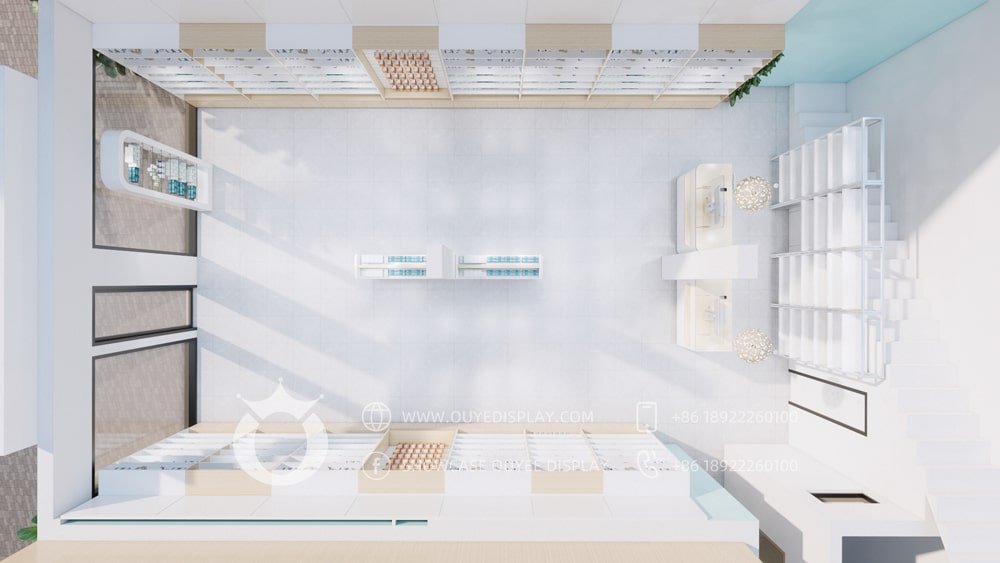
One of the most important aspects of pharmacy design is the layout of the space. The pharmacy should be divided into clear sections, with each area dedicated to a specific purpose. For example, the front of the store could be reserved for the checkout area, while the back of the store could be used for storage and dispensing medicine. The counter area, where customers will interact with staff, should be clearly marked and easily accessible, with enough space for staff to assist multiple customers at once. Aisles should be wide enough to accommodate customers and staff, and the shelves should be arranged in a way that makes it easy to find what you’re looking for.
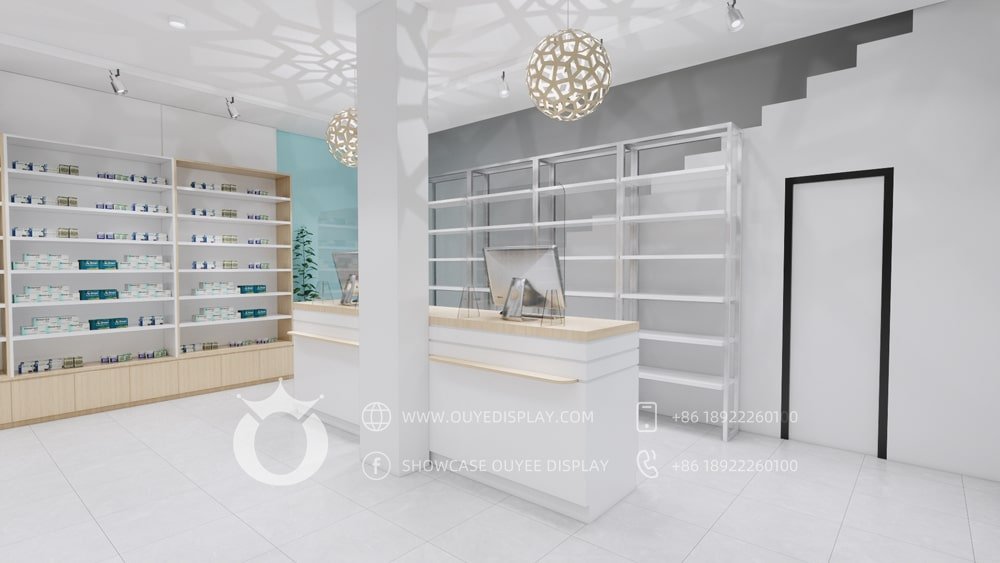
In addition to the layout of the space, the design of the pharmacie should also consider the materials used in the construction and decoration of the space. The floors, walls, and ceilings should be made of durable and easy-to-clean materials, such as tile or vinyl. The fixtures and furniture should be sturdy and able to withstand the weight of the products being displayed, as well as being easy to clean and maintain.
In terms of aesthetics, the pharmacy should have a clean and modern look. White or neutral colors are a good choice for the walls and floors, as they create a calming and professional atmosphere. The lighting should be bright and evenly distributed throughout the space, providing enough light for customers and staff to see what they’re doing.

One of the key challenges of pharmacy design is the need to balance the needs of customers and staff. Customers should be able to easily find what they’re looking for and check out quickly, while staff should have easy access to the medications and other items they need to do their job. This can be achieved by carefully planning the layout of the space and ensuring that there is enough room for both customers and staff to move around comfortably.

Another important aspect of the design of a pharmacie is the organization of the products. The shelves and drug display cabinets should be clearly labeled and organized in a logical manner, with similar products grouped together and easy-to-read labels. This will make it easier for customers to find what they’re looking for, and will also help staff quickly locate and restock products as needed.
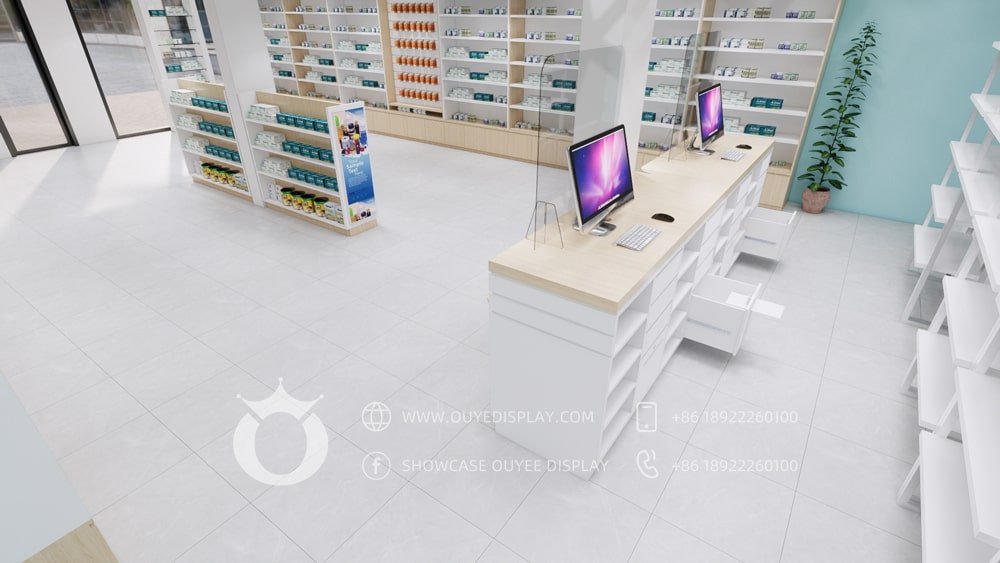
In addition to the practical considerations of the design of a pharmacy, it’s also important to consider the overall aesthetic of the space. The color scheme, decor, and artwork should all be chosen with care, to create a pleasant and inviting atmosphere. The use of natural materials and plants can also help to create a calming and welcoming environment.
Overall, the design of a pharmacy should be carefully considered to create a functional and attractive space that meets the needs of both customers and staff. By focusing on layout, aesthetics, and the integration of technology, you can create a pharmacy that is both practical and inviting.
 English
  Arabic