
Coffee shops have become an integral part of our daily lives, serving as a place of solace, relaxation, and community. From the cozy ambiance to the delicious aroma of freshly brewed coffee, there’s nothing quite like the feeling of stepping into a coffee shop. But what is the philosophy behind the design of these coffee shops?
Creating a Welcoming Atmosphere
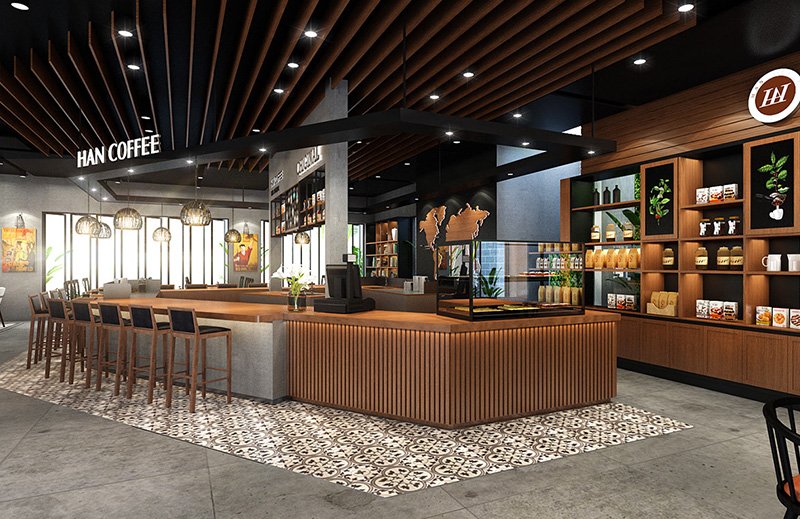
The primary goal of coffee shop design is to create a welcoming atmosphere that invites customers to stay and enjoy their coffee. The use of warm colors, soft lighting, and comfortable seating all contribute to this effect. Coffee shop owners strive to create a space that evokes a sense of comfort and coziness, making it an inviting retreat for customers.
Designing for Functionality
While aesthetics play a significant role in coffee shop design, functionality is equally important. The layout of the shop should enable the efficient flow of customers, with the coffee bar positioned in a central location to allow baristas to serve customers quickly and efficiently. Adequate seating, power outlets, and Wi-Fi are all critical components that enable customers to stay and work or socialize comfortably.
Incorporating Local Culture
Coffee shops are often a reflection of the local culture and community. The design should reflect the local culture and identity of the area in which the shop is located. Local artwork, photographs, or murals can be incorporated to showcase the unique culture and history of the community.
Using Sustainable and Eco-Friendly Materials
Sustainability is a growing concern, and coffee shop owners are increasingly mindful of their environmental impact. Coffee shops can integrate eco-friendly materials and practices into their design, such as using recycled or upcycled materials, energy-efficient appliances, and reducing waste by using reusable cups and containers.
Creating a Sense of Community
Coffee shops serve as a community hub, where people can come together and socialize. The design should facilitate this sense of community by creating spaces for group seating, communal tables, and cozy nooks for individual seating. Coffee shops can also host events, such as open mic nights, book clubs, or art shows, to bring the community together.
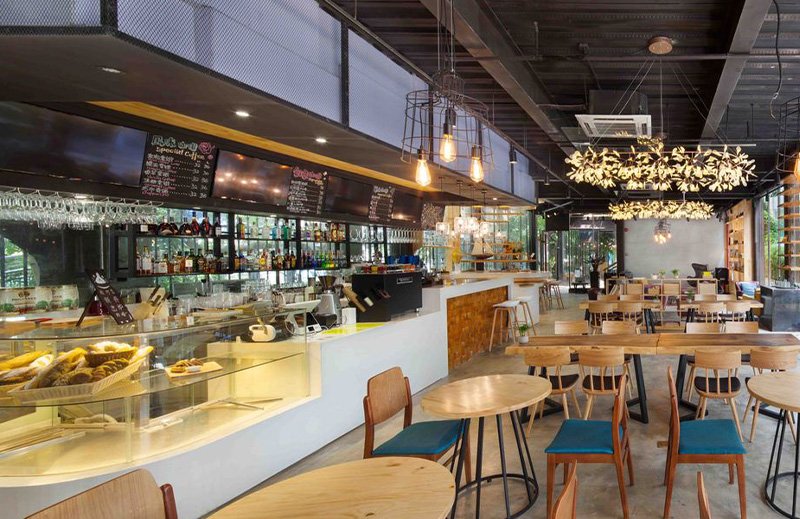
In conclusion, coffee shop design is not just about creating a beautiful space. It’s about creating an environment that addresses the needs of the customers, reflects the local culture, and fosters a sense of community. By incorporating these design philosophies, coffee shops can create a unique and memorable experience for their customers.






 English
  Arabic