
The layout of a store plays a crucial role in attracting customers and influencing their shopping experience. There are six designs that retailers commonly use to create an effective store layout. Let’s explore these designs in more detail.
1. Grid Layout: The grid layout is the most common and straightforward design. It features parallel aisles that are organized in a grid pattern, creating a clean and organized shopping environment. This layout is commonly used in grocery stores and convenience stores, as it allows customers to easily navigate through the store and find what they need.
2. Loop Layout: Also known as the racetrack layout, involves creating a loop or oval-shaped pathway for customers to follow. This design encourages customers to explore the entire store, increasing the chances of impulse purchases. It is often used in apparel and department stores, where customers are more likely to browse through different sections.
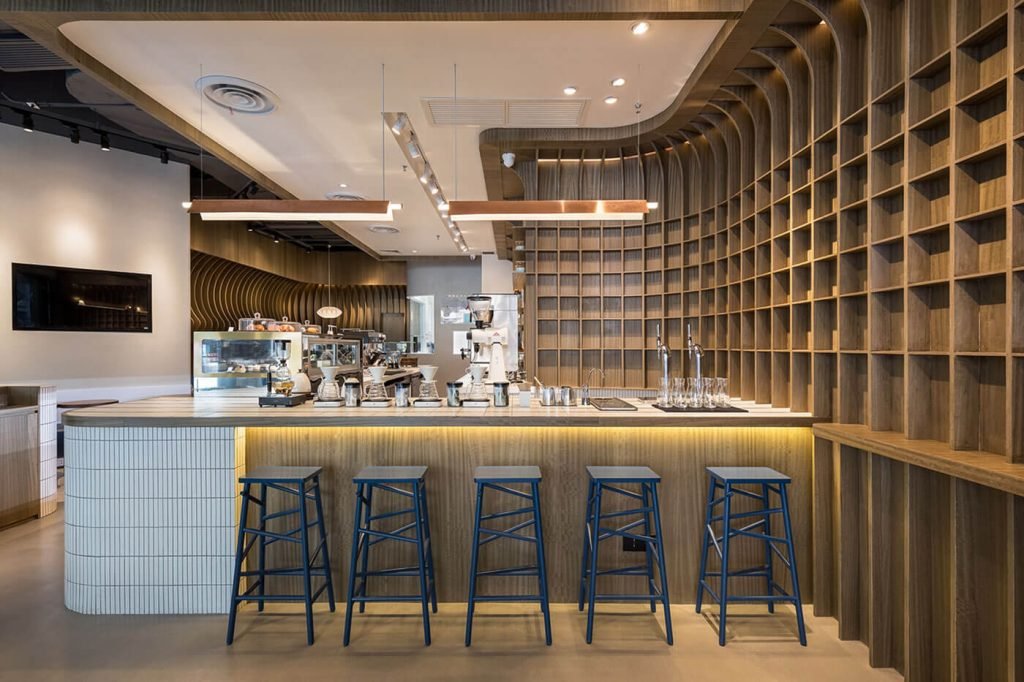

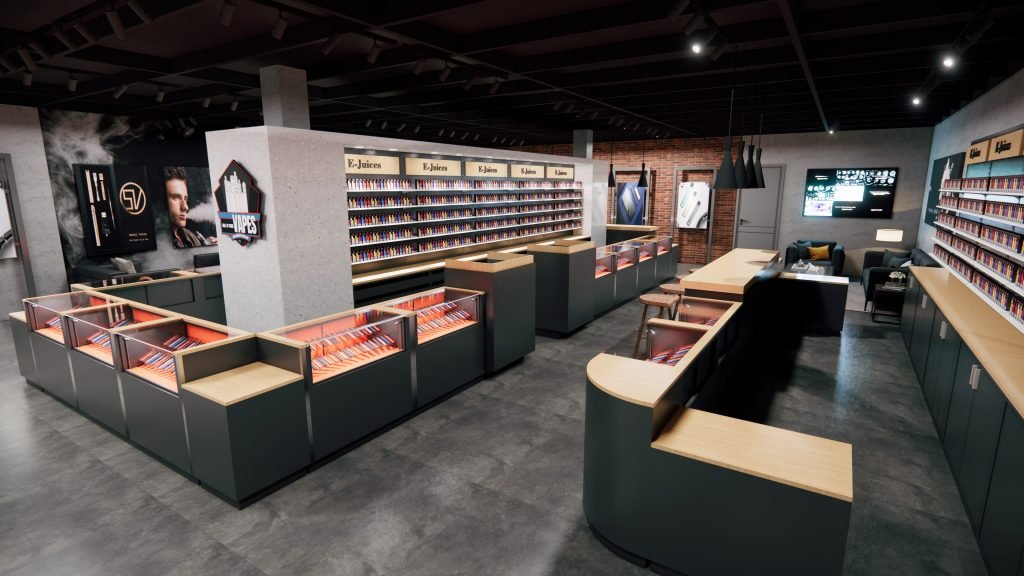
3. Spine Layout: The spine layout features a central spine or main aisle that runs from the front to the back of the store. Smaller aisles branch off this main aisle, leading to different product categories. This design is effective in guiding customers through the store and exposing them to a wide range of products. It is commonly used in large retail stores and supermarkets.
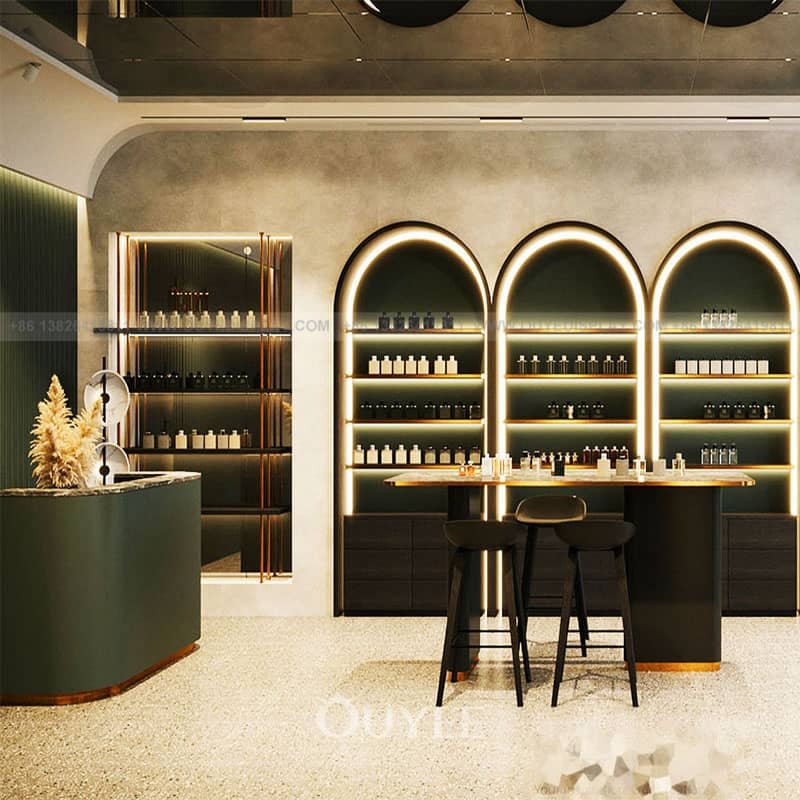
4. Free Flow Layout: The free flow layout offers maximum flexibility and creativity. It involves placing displays and fixtures in a way that creates a visually appealing and inviting environment. This design is often used in boutique stores and specialty shops, where the focus is on creating a unique and immersive shopping experience.
5. Maze Layout: The maze layout is designed to create a sense of exploration and discovery. It involves intentionally creating twists, turns, and dead ends to encourage customers to spend more time in the store. This layout is commonly used in large department stores and home improvement stores, where customers are encouraged to explore different sections and discover new products.

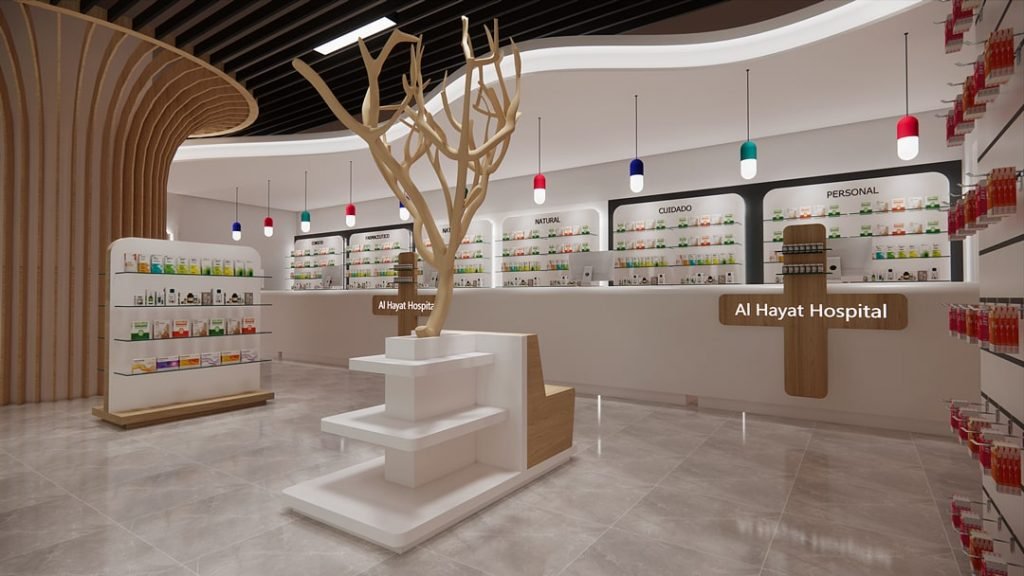

6. Combination Layout: The combination layout combines two or more of the above designs to create a unique layout that suits the specific needs of the store. This design allows retailers to customize their store layout to maximize sales and customer satisfaction. For example, a combination of a grid layout with a loop layout can be used to create a more dynamic shopping experience.
In conclusion, the choice of store layout design is crucial in creating an attractive and efficient shopping environment. Retailers must carefully consider factors such as the type of store, target customers, and available space when selecting a design. By choosing the right layout, retailers can enhance the overall shopping experience and drive sales.





 English
  Arabic