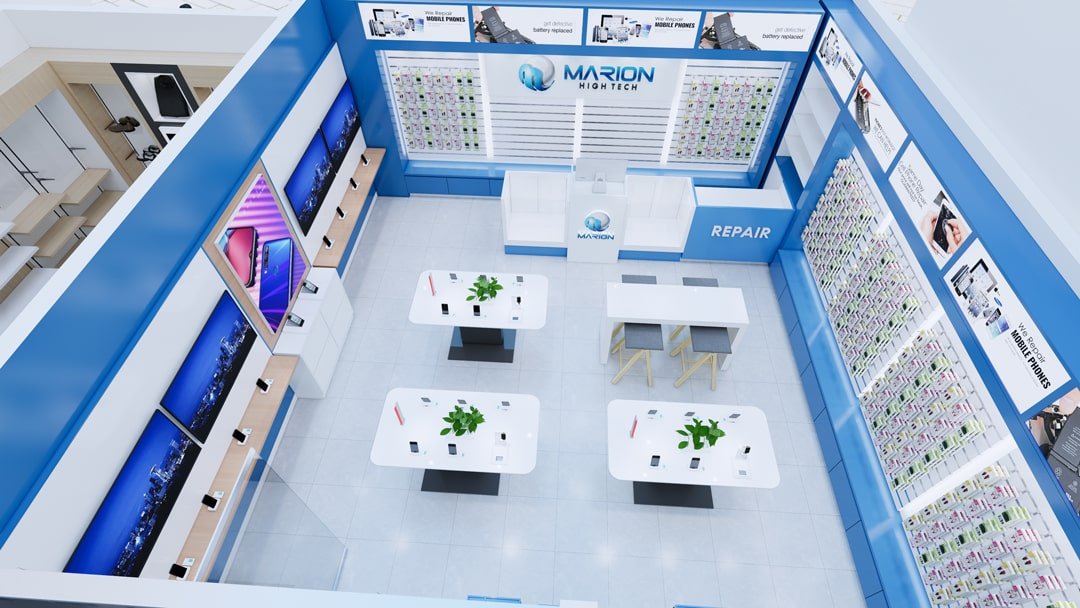
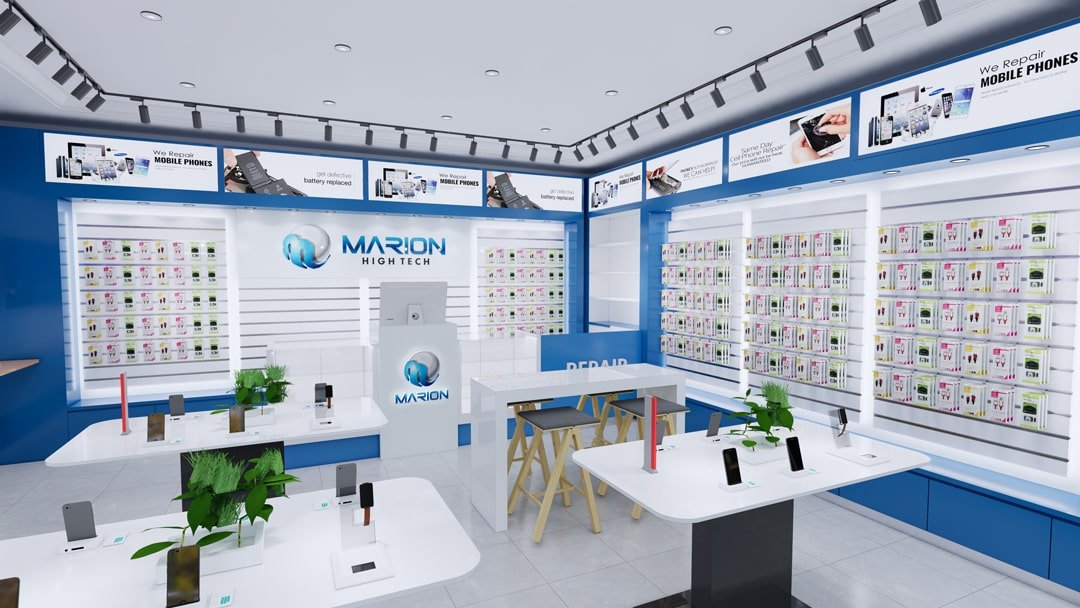
In today’s world, phone stores are filled with a variety of display devices that are used to showcase the latest and greatest smartphones on the market. These display devices play a crucial role in helping consumers make informed purchasing decisions, and as such, it is important to understand the different types of display devices that are commonly used in phone stores.

One of the most common types of display devices found in phone stores is the smartphone display case. These cases are typically made of clear acrylic or glass and are designed to hold multiple smartphones in a way that allows consumers to easily view and interact with them. Some smartphone display cases even include built-in charging stations, which allow consumers to test out the phone's battery life and charging capabilities.
Another type of display device commonly found in phone stores is the interactive display table. These tables are equipped with large touchscreen displays that allow consumers to experience the full range of features and capabilities of the latest smartphones. Consumers can use the interactive display table to explore the phone's user interface, try out different apps, and even play games.
In addition to smartphone display cases and interactive display tables, phone stores may also feature other types of display devices such as video walls and kiosks. Video walls are large displays that are typically mounted on the walls of the store and are used to showcase promotional videos or advertisements for the latest smartphones. Kiosks, on the other hand, are self-contained units that are often placed near the entrance of the store and are designed to provide consumers with information about the different smartphones on offer.
There are several different types of display devices that are commonly used in phone stores, each with its own unique set of advantages and disadvantages. Some of the most common types of display devices that you might see in a phone store include:
(1): LCD displays – These are the most common type of display used in phone stores, and for good reason. LCD displays are affordable, widely available, and offer good overall performance. They are also relatively energy efficient, which is an important consideration for phone stores that need to run their display devices for long periods of time.
(2): OLED displays – OLED displays are a more recent technology that offers improved image quality and lower power consumption compared to LCD displays. They work by emitting light directly from the pixels, rather than relying on a backlight like LCD displays do. This allows for deeper blacks, better contrast, and a more vibrant overall image. However, OLED displays are generally more expensive than LCD displays, so they are not as widely used in phone stores.
(3): LED displays – LED displays are a type of LCD display that uses LED backlighting instead of the traditional CCFL backlighting used in most LCD displays. This allows for better color accuracy, higher brightness, and improved power efficiency compared to regular LCD displays. LED displays are a popular choice for phone stores, as they offer a good balance of performance and affordability.
Overall, the use of display devices in phone stores plays a crucial role in helping consumers make informed purchasing decisions. By providing an interactive and immersive experience, display devices allow consumers to try out the latest smartphones and explore their features and capabilities in a way that is not possible with traditional advertising methods. As a result, phone stores are likely to continue using a wide range of display devices to showcase their products and attract potential customers.