
Introduction: Your Journey to Pharmacy Ownership Begins Here
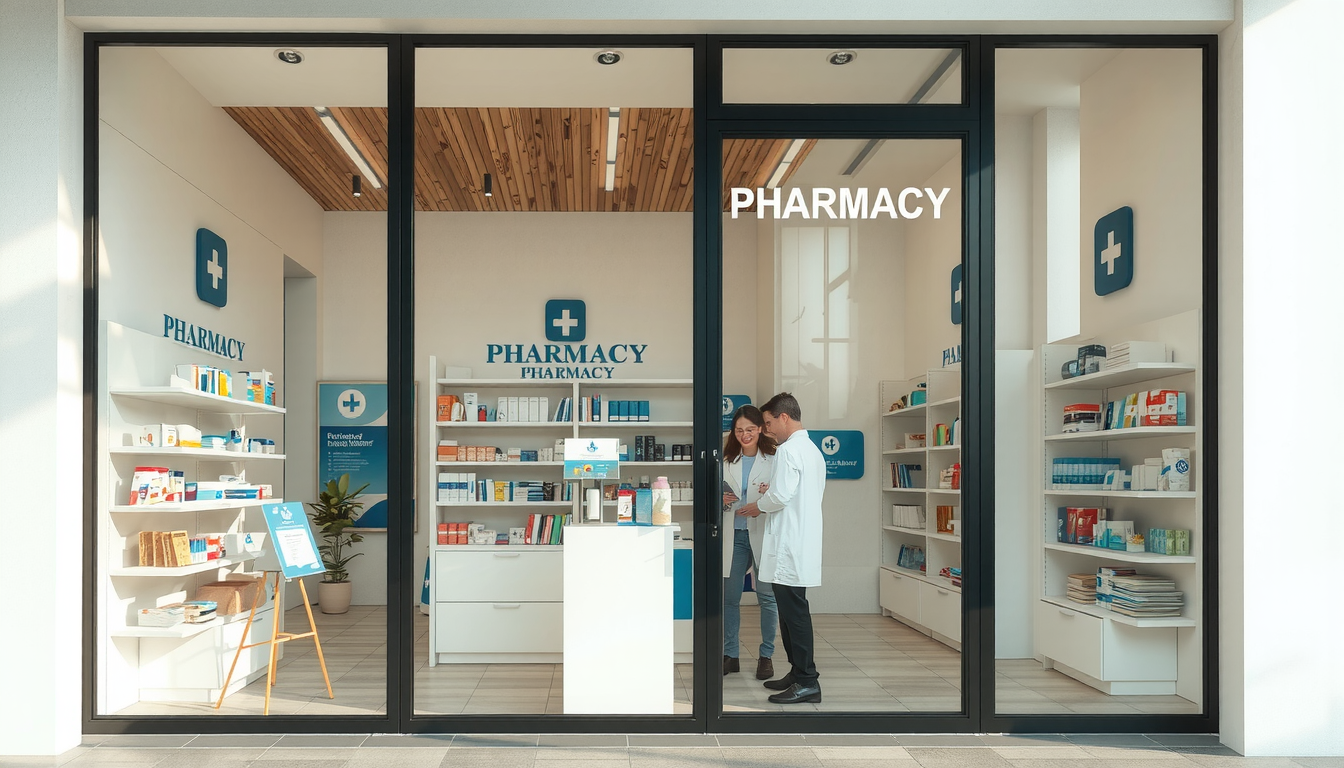
Opening a pharmacy is a complex journey. But it is also one of the most rewarding ventures a healthcare professional can undertake. In 2026, success requires more than just clinical expertise. It demands sharp business skills and a modern, forward-thinking approach to patient care. This guide will walk you through the entire process, step by step. We have broken down the path to open a pharmacy into four clear phases. You will learn about creating your foundational blueprint. You will navigate the legal setup. You will build your operational core. And you will plan for a successful launch and long-term growth. Think of this as your complete roadmap to becoming a pharmacy owner.
Key Takeaways
- Plan Carefully: A detailed business plan is your most critical tool. It must include market analysis, a clear list of services, and realistic financial projections for 2026 and beyond.
- Understand the Costs: Starting a new pharmacy can cost between $400,000 and $800,000. Securing the right funding through SBA loans or other sources is a crucial early step.
- Navigate Licensing Carefully: The legal and regulatory process is complex. You will need multiple permits and licenses. This includes a State Board of Pharmacy permit, a DEA number, and an NPI number before you can open.
- Invest in Technology and Design: A modern tech stack and an efficient, patient-friendly layout are essential for competing in 2026. Professional design can significantly improve workflow and customer experience.
- Focus on Growth from Day One: Your work isn’t done at the grand opening. A 180-day plan focusing on marketing, prescriber outreach, and financial analysis is key to achieving profitability.
Phase 1: The Foundational Blueprint — Planning for Success
This first phase is all about strategy. Before you spend a single dollar, you need a solid plan. These initial decisions will shape your entire business and set you up for success. Taking the time to plan carefully is the most important part of learning how to open a pharmacy.
Are You Ready? A Realistic Self-Assessment
The move from pharmacist to entrepreneur is a big one. Your clinical skills are vital. But you also need business skills. This includes leadership, understanding financial statements, marketing your services, and negotiating with suppliers.
A typical day for a pharmacy owner is a blend of tasks. You might spend the morning verifying prescriptions and counseling patients. The afternoon could involve reviewing payroll. You might meet with a sales representative. You could plan a local marketing campaign. You are not just a pharmacist. You are the CEO, HR manager, and chief marketer, all in one.
Build vs. Buy: Your First Major Decision
You have two main paths to ownership. You can build a new pharmacy from the ground up. Or you can buy an existing one. Each has clear pros and cons. Starting from scratch gives you total control. But buying gives you immediate cash flow. This is a critical choice when you decide to open a pharmacy.
To help you decide, here is a comparison:
| Feature | Build (Start from Scratch) | Buy (Acquire Existing) |
|---|---|---|
| Pros | Total control over design and brand. Modern technology from day one. Fresh start with no past reputation. | Immediate patient base and cash flow. Experienced staff may already be in place. Established relationships with prescribers. |
| Cons | Longer time to reach profitability. Must build patient trust from zero. Higher initial marketing costs. | May inherit outdated systems or a poor reputation. Less flexibility in layout and design. Potential for hidden liabilities. |
| Typical Cost | $400,000 – $800,000+ | Varies widely based on revenue; often $500,000 – $2,000,000+ |
| Timeline | 9-18 months from planning to opening. | 4-9 months for due diligence and closing. |
How to Craft a Strong Business Plan
Your business plan is the blueprint for your success. It is a required document for securing loans. It is also a vital guide for your own strategic decisions. A strong plan shows that you have thought through every aspect of how to open a pharmacy.

Your 2026 business plan must include these sections:
* Executive Summary: A brief overview of your entire plan.
* Market Analysis: Details on your location, local population, and competitors.
* Services Offered: What will you provide? Beyond dispensing, consider vaccinations, medication therapy management (MTM), compounding, or health screenings.
* Marketing & Sales Strategy: How you will attract and retain patients.
* Management Team: Information about you and any key partners.
* Financial Projections: Detailed forecasts for revenue, expenses, and cash flow for at least three years.
For 2026, your plan should also detail your strategy for digital health. Include plans for telepharmacy services and online patient portals. Show how you will engage patients through digital channels. When creating this document, consider seeking advice from industry professionals to ensure it is comprehensive and realistic.
Securing Funding: From Loans to Investors
With a solid business plan, you can seek funding. Startup costs for a new pharmacy typically range from $400,000 to over $800,000. Buying an existing pharmacy can cost even more.
Here are the most common funding sources:
* Small Business Administration (SBA) Loans: These government-backed loans are a popular choice for new business owners.
* Conventional Bank Loans: Traditional loans from a commercial bank.
* Wholesaler Financing: Your primary drug wholesaler may offer financing programs.
* Private Investors: Friends, family, or other investors who believe in your vision.
Lenders will want to see your business plan. They will want personal financial statements and detailed cash flow projections. Be prepared to present a strong case for why your pharmacy will be a successful investment.
Phase 2: The Legal & Logistical Setup — Getting Licensed and Set Up
This phase is about navigating the rules and getting your physical space ready. It can feel like a maze of paperwork and regulations. But taking it one step at a time makes it manageable. Proper setup is a non-negotiable step to open a pharmacy.
Navigating the Maze of Licenses and Permits
Getting all the right licenses is one of the most critical and time-consuming steps. You cannot operate without them. The process can take several months, so start early.
Here is a checklist of the essential licenses and registrations you will need:
* State Board of Pharmacy Permit: This is the primary license to operate a pharmacy in your state.
* DEA Number: Required to dispense controlled substances.
* National Provider Identifier (NPI) Number: A unique ID for healthcare providers.
* NCPDP Number: Needed to process claims with insurance and PBMs.
* Employer Identification Number (EIN): Your federal tax ID number.
* State-Specific Licenses: Some states require separate licenses for controlled substances or sterile compounding.
This process is detailed and requires careful attention. You can find a comprehensive step-by-step guide to pharmacy licensing from industry experts to help you stay on track.
Choosing the Right Business Structure
You need to decide on a legal structure for your business. This choice affects your personal liability and how you pay taxes.

The most common options are:
* Sole Proprietorship: Simple to set up, but you are personally liable for all business debts.
* Limited Liability Company (LLC): Offers protection for your personal assets from business debts.
* S-Corporation: Can provide tax advantages but has more complex rules.
It is highly recommended to speak with a lawyer and an accountant. They can help you choose the structure that offers the best protection and financial benefits for your specific situation.
Location, Layout, and Good Design
Your physical location is a major factor in your success. Look for a site with good visibility, easy access, and plenty of parking. Being near medical clinics or hospitals is a significant advantage. The NCPA’s guide on opening a pharmacy notes the value of locations with drive-thru potential.
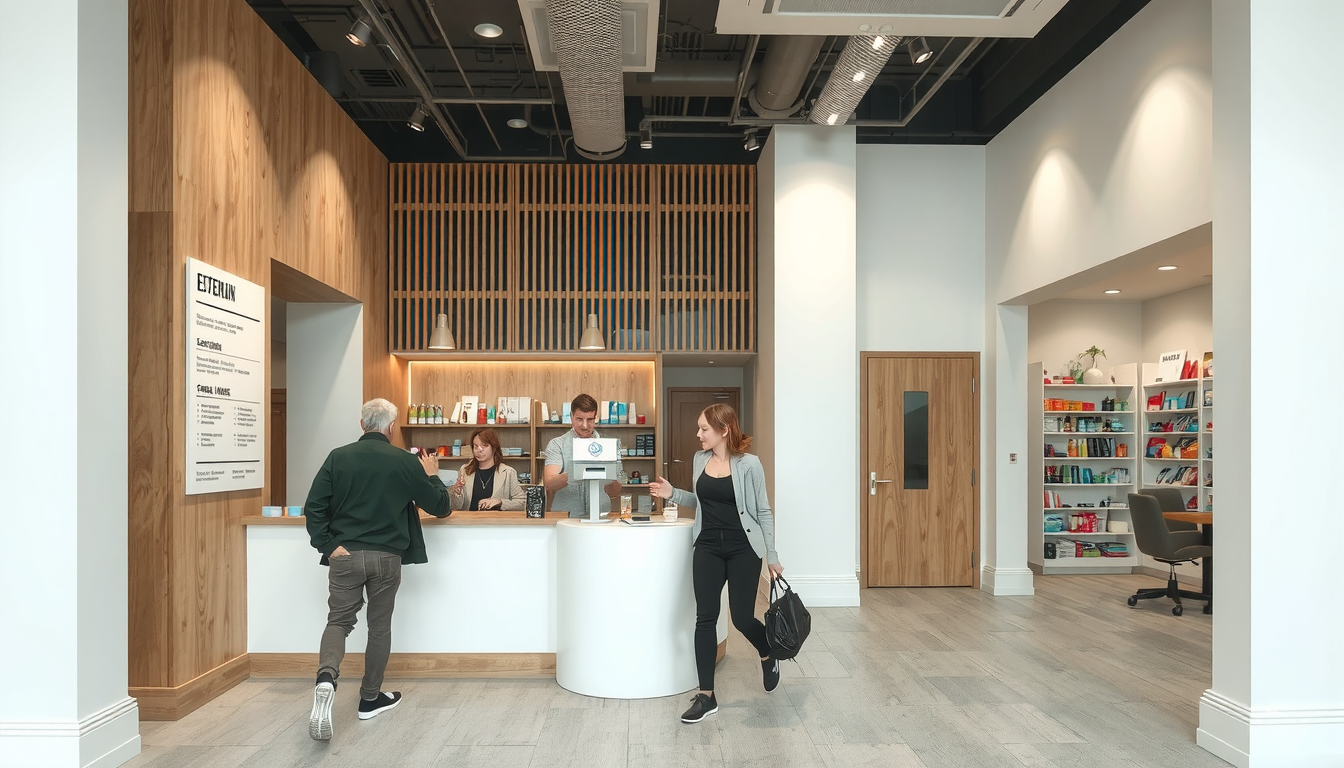
Once you have a location, the layout is next. A well-designed pharmacy improves workflow for your staff. It creates a positive experience for your patients. The space must be efficient for dispensing. It also needs private areas for consultations and clinical services. This is where professional pharmacy design is not a luxury, but a necessity for building a modern, functional healthcare space.
Phase 3: Building Your Operational Core — People, Tech, and Inventory
With the legal and physical foundation in place, it is time to build the engine of your pharmacy. This phase covers the essential systems, people, and products that will define your daily operations. Getting this right is key to running a smooth and efficient business after you open a pharmacy.
Assembling Your 2026 Pharmacy Tech Stack
In 2026, technology is more than just a dispensing system. A modern pharmacy runs on an integrated “tech stack” that improves efficiency, patient safety, and communication. Think beyond the basics to set yourself apart.
Your essential technology should include:
* Pharmacy Management System (PMS): This is the heart of your operation. It manages prescriptions, patient profiles, inventory, and billing.
* Point-of-Sale (POS) System: For handling front-end sales of over-the-counter products. It should integrate seamlessly with your PMS.
* Interactive Voice Response (IVR): An automated phone system that allows patients to request refills 24/7. This frees up your staff.
* Automation/Robotics: For pharmacies with higher volume, automated dispensing systems can count pills, fill vials, and reduce errors.
* Clinical & Communication Tools: Secure messaging platforms for talking with doctors. Video software for telepharmacy consultations. MTM platforms are now standard.
Staffing Your Pharmacy for Excellence
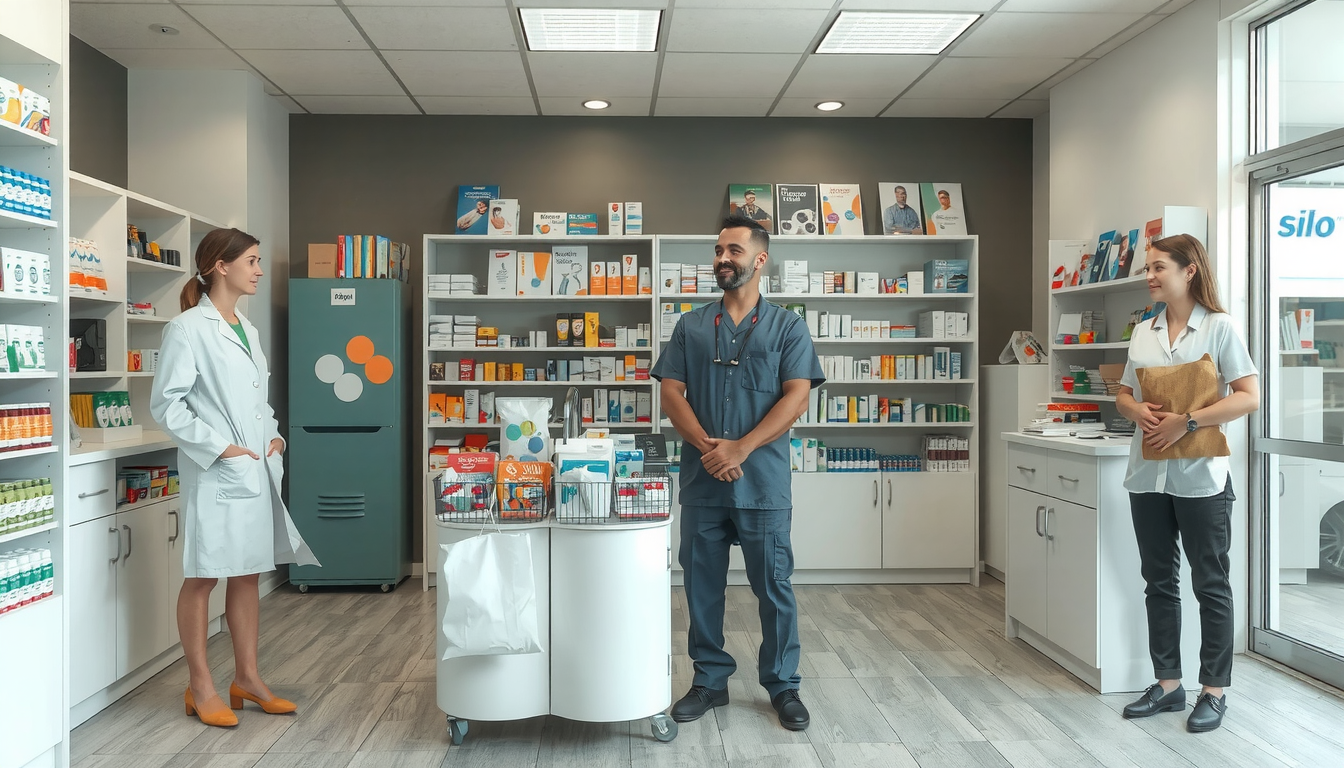
Your team is your greatest asset. Hire people who are not only technically skilled but also have excellent customer service skills. In an independent pharmacy, a friendly and caring staff is a major reason why patients choose you over a large chain.
Key roles you will need to fill include:
* Staff Pharmacists: To assist with dispensing, counseling, and clinical services.
* Certified Pharmacy Technicians: To handle prescription processing, inventory management, and support the pharmacists.
* Clerks / Delivery Drivers: To manage the front-end register, help customers, and provide convenient delivery services.
When hiring, look for individuals who are empathetic and great communicators. They should share your vision for patient-centered care.
Establishing Inventory and Wholesaler Relationships
You cannot fill prescriptions without medication. The first step is to choose a primary drug wholesaler. This company will be your main supplier for both brand and generic drugs. It is also wise to set up an account with a secondary wholesaler as a backup.
Once your accounts are active, you will place your initial inventory order. This order should be based on the prescribing habits of local doctors. It should match the health needs of your community. It is a balancing act. You need enough inventory to meet patient needs. But you don’t want to tie up too much cash in products that sit on the shelf.
Phase 4: The Launch and Beyond — Growth & Sustainability
The day you open your doors is the beginning, not the end, of your journey. This final phase focuses on the critical first few months of operation. It covers the strategies you need to ensure long-term growth and profitability. Successfully navigating this period is what separates a new business from a lasting one.
Your First 180 Days: A Roadmap to Profitability
The first six months are crucial for establishing your pharmacy in the community. As a seasoned owner would advise, your focus should shift over this period. Here is a roadmap for how to approach it.
- Days 1-30: Perfect Execution. Your top priority is to make a great first impression. Focus on providing perfect service to every patient who walks in. Work out any kinks in your workflow. Ensure your team is confident and prepared.
- Days 31-90: Active Outreach. Now it is time to build relationships. Personally visit local medical offices to introduce yourself and your pharmacy’s services. Start looking at your dispensing data to see what is popular and where there are opportunities.
- Days 91-180: Analyze and Grow. Begin to closely review your profit and loss (P&L) statements. Use this data to refine your inventory and identify your most profitable services. Ramp up your marketing efforts. Start actively promoting higher-margin clinical services like vaccinations or point-of-care testing.
Modern Marketing for the Independent Pharmacy
You need to actively market your pharmacy to attract new patients. A multi-channel approach works best in 2026.
Here are key marketing channels to focus on:
* Digital Presence: A professional website with an easy-to-use online refill portal is a must. Claim and optimize your Google Business Profile so people can find you easily. Use targeted social media ads to reach potential customers in your local area.
* Local Relationship Building: Continue building strong relationships with local doctors. Sponsor a local youth sports team or a community health fair. Consider placing ads in local newsletters or papers.
* In-Store Promotion: Use your existing customers as a marketing channel. Include flyers (bag stuffers) with information about your clinical services in every prescription bag. Train your staff to talk to patients about services like flu shots or medication synchronization.
Conclusion: Your Future as a Community Healthcare Hub
You now have the complete guide for how to open a pharmacy in 2026. The path is challenging. It involves careful planning, navigating complex regulations, and smart business execution. But the reward is immense.
By following these four phases—building a blueprint, handling the legal setup, creating your operational core, and planning for growth—you can build a thriving business. Success today depends on combining excellent patient care with a modern business strategy. As an independent pharmacy owner, you will become a vital healthcare hub. You will make a real difference in the lives of the people in your community.
Frequently Asked Questions (FAQ) About How to Open a Pharmacy
How much does it really cost to open a pharmacy?
Starting a new pharmacy from scratch typically costs between $400,000 and $800,000. This covers inventory, fixtures, technology, and initial operating capital. Acquiring an existing pharmacy can vary significantly based on its annual revenue and profitability. This option often costs more upfront but provides immediate cash flow.
Can I open a pharmacy without being a pharmacist?
While non-pharmacists can own a pharmacy, most states require the designated “Pharmacist-in-Charge” (PIC) to be a licensed pharmacist. The owner would handle the business operations. The PIC is legally responsible for all pharmacy practices and compliance. It is essential to check your specific state’s regulations.
How long does it take to become profitable?
This varies greatly. An acquired pharmacy with an existing patient base may be profitable from day one. A new startup pharmacy can take anywhere from 18 to 36 months to reach profitability. This timeline depends on location, competition, and how effectively it can build its prescription volume and clinical services.
What are the biggest mistakes new pharmacy owners make?
The most common mistakes include underestimating startup costs and the need for working capital. Other frequent errors are failing to create a detailed business plan. They neglect marketing and relationship-building with local prescribers. They try to do everything themselves without hiring a strong support team.
What is a PBM and why is it important for a new pharmacy?
PBM stands for Pharmacy Benefit Manager. They are third-party companies that act as go-betweens for insurance providers, pharmacies, and patients. It is absolutely critical for a new pharmacy to get credentialed and sign contracts with major PBMs. This is how you will be able to process prescriptions for the vast majority of insured patients and get reimbursed for them.








 English
  Arabic