Getting a pharmacy license is a big step. It moves you toward a career as a pharmacist or helps you open your own pharmacy. The process has two separate paths. One path is for the individual pharmacist. The other is for the pharmacy business itself. The main parts include education, exams, and getting approval from a state board. This guide will break down all the pharmacy license requirements in 2026 into clear, simple steps.
Key Takeaways
- There are two main types of licenses. One is a personal license for the pharmacist. The other is a facility license for the pharmacy business.
- To become a licensed pharmacist, you need a Doctor of Pharmacy degree. You also need supervised work experience and passing scores on national and state exams.
- The pharmacy license requirements for a facility include business registration and a detailed application. You also need DEA registration for controlled substances and must meet specific standards for the physical space.
- Licensing rules are not the same everywhere. Each state’s Board of Pharmacy sets its own specific requirements. Always check with them directly.
- Avoiding common mistakes can save you time and stress. These include incomplete applications or not understanding state laws.
Individual vs. Facility: The Two Types of Licenses
It is easy to get confused about pharmacy licenses. There are two different kinds. You may need one or both depending on your goals. Understanding the difference is the first step.
The Pharmacist License (For the Professional)
This is a personal license. It allows an individual to legally practice pharmacy. It is tied directly to your education and qualifications. You cannot fill prescriptions for the public without it.
Who needs this license?
* Staff Pharmacists working in retail or hospitals.
* The Pharmacist-in-Charge who manages a pharmacy.
* Clinical Pharmacists who work with doctors and patients.
* Any professional who provides pharmacist care.
The Pharmacy License (For the Business)
This license is also called a registration or permit. It is for the physical location or online platform. It proves the business meets all safety and operational standards to store and dispense medication. You cannot operate a pharmacy business without this.
What does this license cover?
* Facility security and design standards.
* Proper drug storage and temperature controls.
* Accurate record-keeping for all medications.
* Compliance with state and federal regulations.
| Feature | Pharmacist License (Personal) | Pharmacy Facility License (Business) |
|---|---|---|
| Who it’s for | An individual professional | A physical or online business location |
| Key Requirements | Pharm.D. degree, internship hours, exam scores | Approved location, Pharmacist-in-Charge, DEA registration, policy manuals |
| Governing Body | State Board of Pharmacy | State Board of Pharmacy, DEA, other business agencies |
The Roadmap to Your Pharmacist License: A 4-Step Guide
If your goal is to practice as a pharmacist, you must earn a personal license. This path is structured and requires dedication. Here is how to get a pharmacy license, broken down into four clear steps.
Step 1: Complete Your Educational Foundation (Pharm.D.)
The first and most important requirement is education. You must earn a Doctor of Pharmacy degree. This degree must come from a school or college of pharmacy approved by the Accreditation Council for Pharmacy Education.
Your coursework will cover many topics. These include how drugs work, patient care and counseling, and pharmacy law. A Pharm.D. program is a professional program that takes four years to complete. Most students enter this program after finishing two to four years of undergraduate studies in science-related fields.
Step 2: Gain Practical Experience (Internship Hours)
You cannot learn everything from a book. State boards require you to get hands-on experience under the supervision of a licensed pharmacist. This is often called an internship or externship.
The number of hours you need changes by state. Most states require between 1,500 and 2,000 hours of practical experience. The good news is that many of these hours are built directly into your Pharm.D. program through clinical rotations in hospitals and community pharmacies.
Step 3: Pass the National and State Licensure Exams
After you have the education and experience, you must prove your knowledge by passing two critical exams. Meeting these pharmacy license requirements is essential.
First is the NAPLEX, or the North American Pharmacist Licensure Examination. This comprehensive exam tests your general knowledge of pharmacy practice and skills. It ensures you are competent to provide safe and effective patient care.
Second is the MPJE, or the Multistate Pharmacy Jurisprudence Examination. This exam is very different because it tests your knowledge of the laws. It covers both federal laws and the specific laws of the state where you want to be licensed. Each state has its own version of the MPJE. So you must pass the exam for the state you plan to work in. State boards offer detailed information on their exam rules, as shown in resources like Pennsylvania’s official Pharmacist Licensure Guide.
Step 4: Submit Your Application to the State Board
The final step is to put everything together and apply. You will submit an official application to your state’s Board of Pharmacy. This package must include all of your documents.
Be prepared to provide official school transcripts and proof of your exam scores. You also need signed forms verifying your intern hours and a background check. You will also need to pay the required application fees. Once the board reviews and approves your application, you will be granted your license to practice.
Decoding State-Specific Pharmacy License Requirements
While the four steps above are universal, the exact details can change from one state to another. A key part of how to get a pharmacy license is understanding what your specific state demands. The state Board of Pharmacy has the final say.
For example, the number of intern hours, the fees, and the continuing education needed for renewal can all differ. Some states even have extra exams or training requirements. Below is a table showing some key differences in popular states as of 2026.
| State | Internship Hours | CE for Renewal (Biennial) | Notable State-Specific Rules |
|---|---|---|---|
| California | 1,500 hours | 30 hours | Requires passing the California Practice Standards and Jurisprudence Examination (CPJE), not the MPJE. |
| Texas | 1,500 hours | 30 hours | Requires a passing score on the Texas MPJE. Specific rules on intern-to-pharmacist ratios. |
| New York | 2,080 hours (via Pharm.D. program) | 45 hours (Triennial) | Requires specific coursework on infection control and child abuse reporting. License renewal is every three years. |
| Florida | 2,080 hours | 30 hours | Requires a separate 2-hour CE on medication errors and 1-hour on HIV/AIDS for renewal. |
This table gives a quick look at the differences. It is crucial to check the official Board of Pharmacy website for the state where you want to practice. For a broad comparison, this document on comprehensive state-by-state licensure requirements is a useful, though slightly dated, starting point.
How to Get a Pharmacy License for Your Business (Facility Registration)
If you dream of owning a pharmacy, you need more than just a personal license. You must also get a license for the pharmacy itself. This process ensures your business is safe, secure, and ready to serve the public.
Core Requirements for Pharmacy Facility Licensing
Getting your business licensed involves several key components. Each one is a critical piece of your overall pharmacy license requirements.
- Business Registration: You must first form a legal business entity, like an LLC or a corporation, with your state.
- State Board of Pharmacy Application: This is a separate, detailed application for the facility. It asks for information about the business owners, the physical address, and the designated Pharmacist-in-Charge.
- DEA Registration: To dispense controlled substances, your pharmacy must be registered with the U.S. Drug Enforcement Administration.
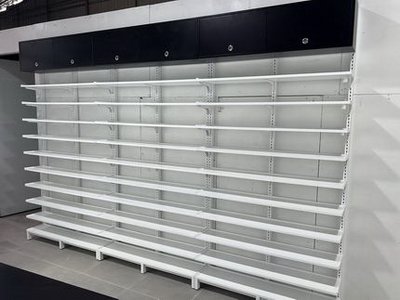
- Physical Space & Equipment: Your facility must meet strict state standards. This includes security systems, proper sanitation, enough counter space, and required equipment like refrigerators and counting tools. An effective pharmacy design is crucial for meeting regulations and ensuring a smooth workflow.
- Policy and Procedure Manuals: You need to create and maintain detailed manuals. These documents outline your standard operating procedures for everything from dispensing and patient counseling to handling drug recalls.
Connecting the Dots to a Successful Launch
Securing the facility license is a huge achievement when you Open a Pharmacy. While this guide focuses on the license, the linked article provides a complete roadmap for your business. This includes creating a business plan, finding funding, and marketing your new pharmacy.
Common Pitfalls When Applying (And How to Avoid Them)
The licensing process can be complex. Small mistakes can cause long delays. Based on our experience, here are some common pitfalls and tips to help you avoid them. Knowing these can make meeting your pharmacy license requirements much smoother.
-
Mistake 1: Incomplete or Inaccurate Applications. A simple missing signature or a wrong date can get your application sent back. This costs you weeks.
- Tip: Read every instruction carefully. Double-check every field before you submit. Have someone else look it over if possible.
-
Mistake 2: Misunderstanding MPJE Content. Many applicants focus too much on federal law and not enough on state-specific rules. State rules make up a large part of the exam.
- Tip: Buy the official law book or guide directly from the state board you are applying to. Take a state-specific law review course if one is available.
-
Mistake 3: Poorly Documented Intern Hours. Waiting until the last minute to gather proof of your hours can lead to lost paperwork and forgotten signatures.
- Tip: Use the official forms provided by the state board. Get your preceptor to sign off on your hours as you complete them, not months later. Keep your own copies.
-
Mistake 4: Missing Renewal Deadlines. Once you have your license, the work isn’t over. Forgetting to renew on time can lead to fines or even a lapsed license.
- Tip: As soon as you are licensed, put your renewal date and continuing education deadlines in your calendar with multiple reminders. Many states no longer send physical mailers.
Special Considerations: Foreign Graduates and Reciprocity
The path to licensure can look different for some individuals. Here we address two common situations. These are pharmacists educated outside the U.S. and those looking to move their license to a new state.
For Foreign-Educated Pharmacists
If you earned your pharmacy degree in another country, you must first prove that your education is equivalent to a U.S. degree. This process is managed by the Foreign Pharmacy Graduate Examination Committee.
Getting FPGEC certification is your first major step. It generally involves:
* Submitting your education credentials for evaluation.
* Passing the Foreign Pharmacy Graduate Equivalency Examination.
* Passing an English language proficiency test, like the TOEFL.
Once you are FPGEC certified, you can then proceed with the standard steps. This includes completing internship hours and passing the NAPLEX and MPJE for your chosen state.
For Pharmacists Transferring a License (Reciprocity)
If you are already a licensed pharmacist in one U.S. state and want to practice in another, you can transfer your license through a process called reciprocity or endorsement. This avoids having to retake the NAPLEX.
The process is managed through the NABP Electronic Licensure Transfer Program. You will apply through this system, which verifies your existing license is active and in good standing. However, you will almost always need to pass the MPJE for the new state to prove you know its specific laws and rules.
What About Pharmacy Technicians?
This guide focuses on pharmacists. But it is worth noting that pharmacy technicians also have licensing or registration requirements. The rules for technicians vary even more widely by state than they do for pharmacists.
Some states only require simple registration. Others demand completion of an approved training program and passing a national certification exam. For those interested, state-by-state pharmacy technician license requirements can be quite different. This resource provides a helpful summary.
Frequently Asked Questions (FAQ)
Here are answers to some common questions about pharmacy license requirements.
How long does it take to get a pharmacy license?
After you graduate from a Pharm.D. program, the rest of the process takes time. You need to study for exams, submit your application, and wait for the state board to process it. This typically takes 3 to 6 months. But it depends on exam dates and how busy the state board is.
How much does a pharmacy license cost?
The cost to get a pharmacy license varies a lot by state. You should plan to spend several hundred dollars. This total includes fees for the exams. The NAPLEX is around $500 and the MPJE is about $250. It also includes the state board application fee, usually $100 to $400 or more, and fees for a criminal background check.
Do I need a separate license to be a compounding pharmacy?
It depends on the state and the type of compounding you do. A standard pharmacy license allows for basic compounding. However, many states have extra, stricter licensing requirements for pharmacies that specialize in complex sterile or non-sterile compounding.
How often do I need to renew my pharmacy license?
Most states require you to renew your license every two years. A few states require it every year. To renew, you must complete a set number of Continuing Education hours. The most common requirement is 30 CE hours per two-year cycle.
Can I get a pharmacy license with a criminal record?
This depends on the crime, when it happened, and the specific state board’s rules. Every board requires a criminal background check. Not disclosing a past conviction is often a more serious offense than the conviction itself. It is vital to be honest on your application and to contact the state board for guidance on your specific situation.