
The appearance of a store absolutely plays a vital role in the decision to attract customers through the door. We even tend to describe our first store experience in visual terms: I was so excited about the store, so clean and organized,or at this extreme-boring, messy, suffocating!
From the point of view of product display alone, it is not enough to look good. Who can afford to spend a lot of time and money improving the appearance of a store without the guarantee of a good return on investment? So far, a store must not only make consumers excited enough to be willing to pay, but as a retailer, the store needs to be more lucrative.
Visual marketing consists of six parts: image, layout, presentation, information, exhibition and activities. Everything you do in your store, how you design the layout, presentation, display and event must match the image you choose to portray.
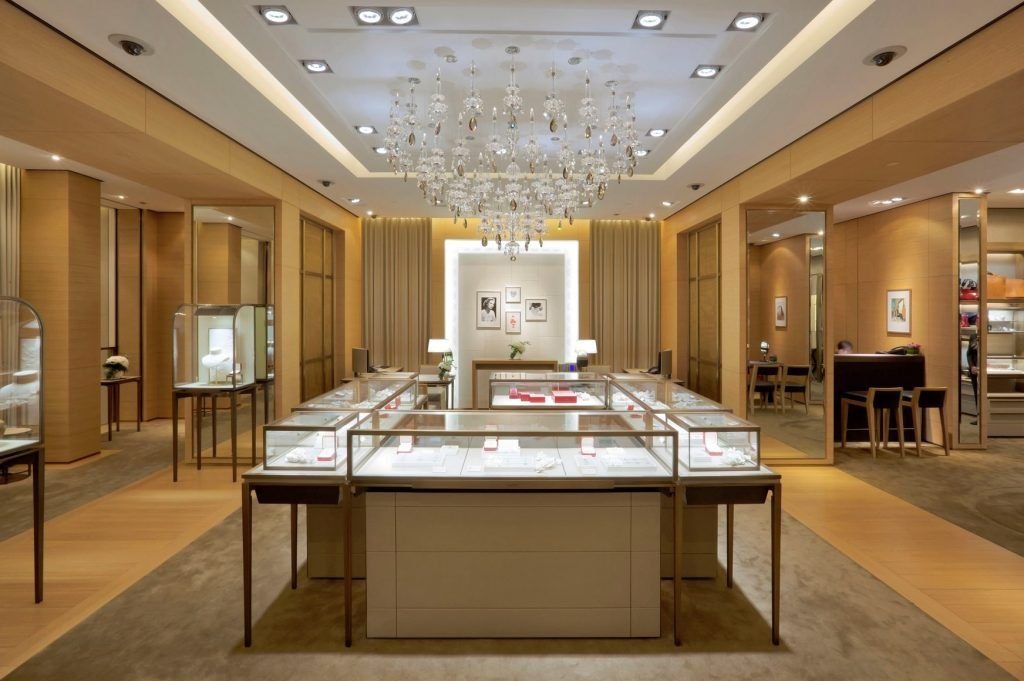
Why start with a storefront image?
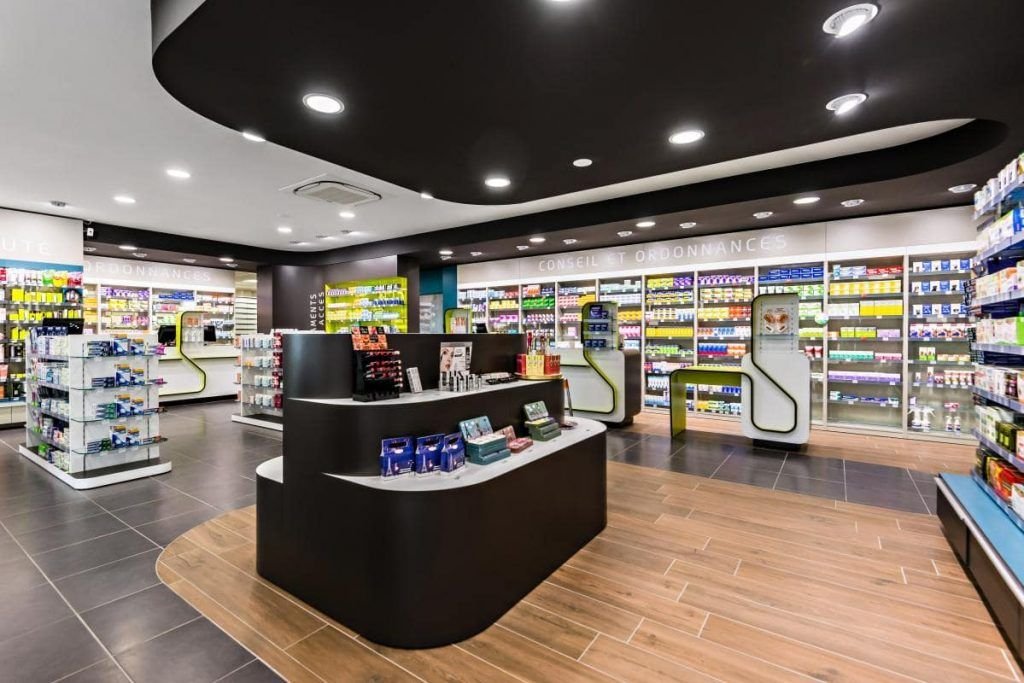
Image can be described as the overall appearance of a store and the series of imaginative images and spiritual feelings that it conjures. For a retailer, designing a strong image can convey a single powerful message that sets it apart from the rest of the competition and is something that will remain unforgettable for a long time.
As a guideline, image is the foundation of all retail activities. While store layouts, displays, information, displays and events can all change at any time to reflect new changes and excitement every week and season, they must stay true to the underlying store image.
According to a survey by the Center for Popular Color Research in the United States, there is a “seven-second rule” when people choose goods: facing a wide range of goods, people only need seven seconds to determine whether they are interested in the goods. The following elements combine to create a distinctive image that not only actively grabs the customer’s attention, but also creates a very positive impression in those precious seconds.
These image creators include:
1. Easy-to-recognize store name
2. Strong visual logo
3. The store front that is hard to recognize – “traffic jammer”
· external building
· shop sign
· shop window
· customer vantage point
4. The entrance of the store
· increase positive impression
5. Attract customers through appearance and gimmicks
· visual appearance
· visual gimmick
1. Easy-to-recognize store name
An effective store name sets the overall tone, by abstracting an image in the customer’s mind to generate a unique “identity card” for the storefront. The name should be catchy and memorable, and it needs to suggest the image and emotion you want customers to associate with, and not sound outdated for years to come.

2. Strong visual logo
On your logo, an easily recognizable logo will evoke memories that the store name once brought to you, and it can also associate a visual image with such memories by combining words, pictures, colors, shapes, typical faces, weaving Materiality and/or style to make the name more prominent. A successful logo — instantly recognizable even if the name doesn’t appear — should be specific to your family, imply that your products and services should be consistent with the overall impression you want to make on consumers, and Very professional and well designed.

3. The storefront that is hard to recognize – “traffic jammer”
Customers just don’t have the time to “read” what your store has, so just as your store name and logo must provide instant recognition and recall (your “book” title), store appearance (your “book” ” Pi) had to build a very hospitable, clear and concise image to tell people what was in store.Storefronts that create “traffic jams” require a unique combination of exterior architecture, information, and window displays to ensure a strong first impression.
· external building
The appearance of a store is often referred to as a building and consists of many aspects, such as building materials, architectural style, as well as details, colors and textures. If your exterior architecture doesn’t convey a correct image, consider repainting or “facelifting” the storefront, adding or removing architectural elements to ensure it matches your store’s image, or consult a designer to recreate the storefront .
· shop sign
The logo of the store is an extremely important element of the front face, it makes your store unique and calls for the attention and stop of customers. Recognizing a strong front door sign, many retailers have adopted new design techniques, including erecting or hanging store signs outside the leased area, adding dynamic publicity, or using three-dimensional fonts and unique lighting to accentuate the logo.If your store logo has lost the battle to capture the visual high ground among the many neighboring stores, consider repainting the store or adding more colors to make your storefront look bigger and more out of place. Blend in with your logo, use new, more modern materials to create your logo, or add movement and lighting.
· shop window
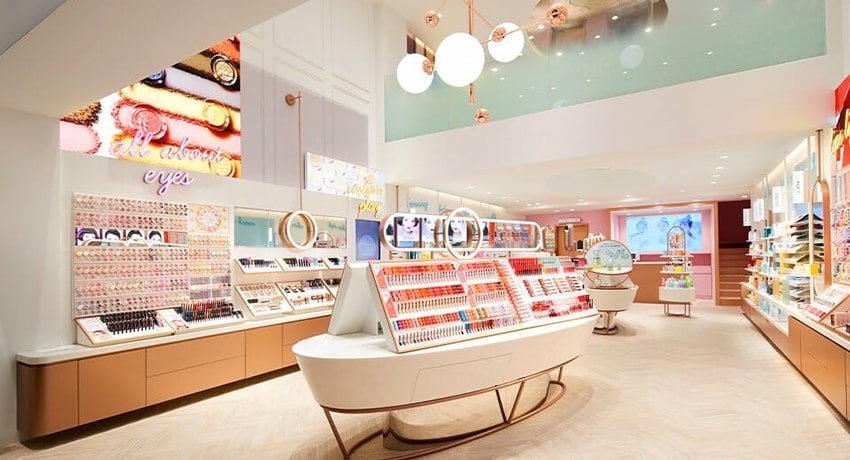
A store’s window or glass front provides more opportunities to be proactive and capture passing customers. Windows are part of the whole process of creating a positive image because they instantly tell the story of the unique items in your store.Many retailers underestimate the customer pull that an effective window can create, treating this area as additional inventory rather than an image magnet. The golden treasure in this real estate should be used as a treasure box to display the latest products of the season, with a variety of dramatic props and themes to achieve the effect of complementing the store image.Consider adding dynamic effects to your windows, with dynamic displays, rotating tables, fans, electronic screens, or motorized pulleys.
· customer vantage point
When planning your storefront, crucial consideration should be given to the customer’s vantage point. Think from the customer’s point of view about their current state—the speed at which they are walking, what are their priorities, and the possibility of stopping them. The more anxious and easily distracted customers are, the harder it is to win their attention.Many times, plans that look beautiful on paper fail in reality because they are from the perspective of the retailer rather than the customer. Many retailers design their facades to face the store directly, which means attracting customers from a 90-degree angle. But is that actually the customer’s point of view? Generally not. Often the direction of customer flow is constrained by the location of a parking spot, the location of a public transit stop, or some other physical feature. Displays designed based on these mainstream passenger flow directions will obviously receive more attention.To attract more customers to your store, consider the following: Where are your customers coming from? Are your exterior signs visible and readable from a distance? Are the main traffic passing by by car or by foot? Are there distinguishable flow patterns and flow velocities at different times of the day? Are your windows clearly visible the first time customers from afar look over?
4. The entrance of the store
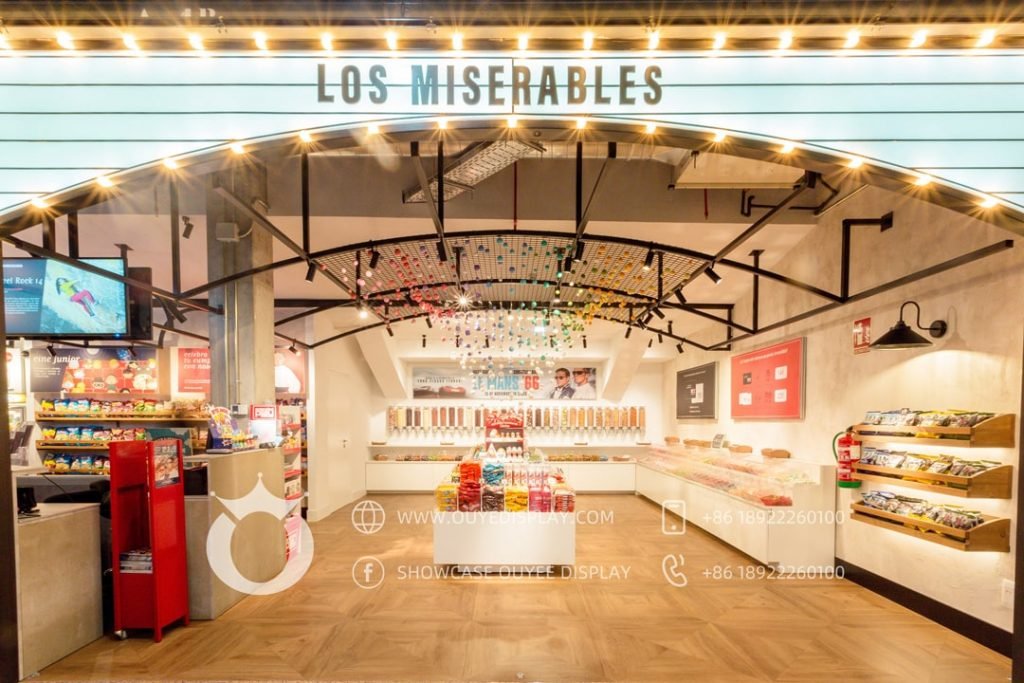
The entrance of the store differentiates the interior and exterior environment. Retailers in malls are more likely to rely on wider, open entrances to attract customers into their stores, creating a seamless entry from mall to store. Retailers who rely primarily on impulse shoppers should strive to create an open front door, either by completely removing obstructions at the door, or by creating a glass-fronted building with an unobstructed view of the store effect to achieve.Some street-facing retailers and some mall tenants need curtains for weather reasons or for privacy and security reasons, giving customers less opportunity to show off the sultry content in the store, making it harder to convince them to come in. For these retailers, an unobstructed and welcoming aisle combined with great window displays can provide and make up for this appeal.In all types of store entrances, customers need to feel that they (and their children) will be comfortable and welcome. Obstructed walkways, visual clutter, and those “Please no XXX” signs on doors are all “negative switches” that make customers have a bad first impression and turn away.
· increase positive impression
Creating a consistent, positive impression is extremely important—especially if you have more than one store. Even if your individual stores vary in size, shape, design, and even product mix, you can create a consistent image for your chain by using common elements. Consider applying your same store logo to all of your marketing, store fronts and in-store amenities, extending some common exterior elements to all your stores, or using similar props, treatments and themes in the windows.
5. Attract customers through appearance and gimmicks

In the first few seconds of attracting the customer’s attention, the customer’s attention will extend from the store exterior, and quickly scan the store; while thinking about whether to enter. Getting customers into the store is a victory.In most cases, customers either come with a shopping plan in mind (Chasers), or they are shopping for entertainment or inspiration (Browsers).The chaser may have planned a trip to your store this time, to make a pre-planned purchase, or to come in to compare some specific items. For chasers, a close look inside the store must strengthen their confidence that the store has what they’re looking for, and that they’ll be able to get a “quick fix” here.Viewers are more likely to enter the store on impulse, and this driving force comes from this overall impression of the store – there must be something worth seeing here! For viewers, the details in the store must be of interest to customers and willing to walk in and see.Whether it’s a chaser or a visitor, the glance at the store and the subsequent decision – to go in, or not to go – is often determined by the overall appearance of the store and its catchy gimmicks.
· visual appearance
An attractive entrance is critical to stopping customers and making a good first impression, but if the information in the store feels disorganized, it’s all for nothing. For example, succinct store entrances are accompanied by cluttered aisles, sloppy advertising sales and confusing information. These all tell customers that the external image will not have substantial internal support. A truly memorable store is consistent in every aspect, from the door to the corner storage room.
· visual gimmick
Visual gimmicks are the magic weapon. They can wake the customer’s attention to the store and hear the voice in their head shouting: “Stop! Here is what you want!” As a result, they together create a more memorable first impression. Exciting entrance displays, effective promotional messages, strong interior displays, in-store dynamics or events will all act like magnets to attract customers. A successful gimmick ensures that the impression created by all this is consistent with the overall image of the store.Well-executed gimmicks can be hugely appealing to customers, especially viewers. A fashion retailer. Many retail owners today are extending the gimmicks of their stores into areas of sensory attraction to create an overall vision. But to ensure ideal results, you also need to understand the psychological effects of light, sound and smell on customers.





 English
  Arabic